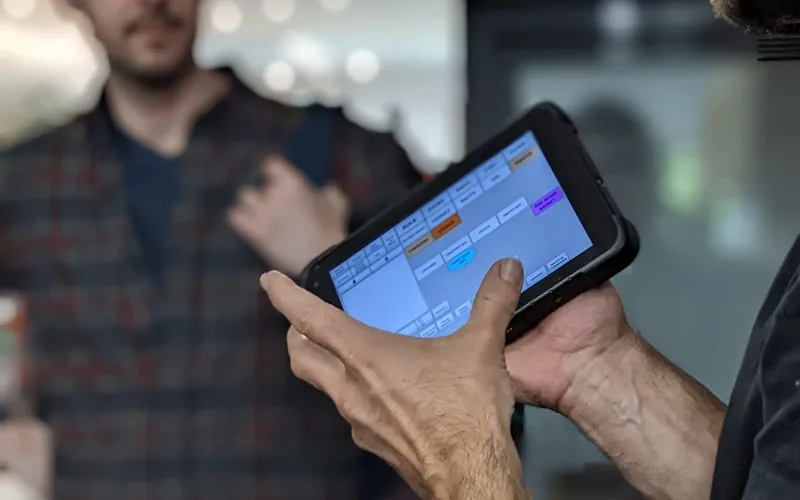
Field team using a rugged tablet for logistics operations
The Dispatch/Logistics
LogisticsCase Study

How We Cut Logistics Costs by34%

For a Mid-Size Manufacturer in 5 Months

DNDeepak NairOperations Partner · Jun 30, 2026 · 10 min read

A Gurugram-based packaging manufacturer was spending crores in avoidable inefficiencies. We documented every rupee of waste, then systematically eliminated it.

01The Client and the Numbers

A mid-size packaging manufacturer in Gurugram. Annual revenues of ₹48 crore. Logistics spend of ₹6.2 crore — about 13% of revenue, against an industry benchmark of 8-9%. The founder had identified logistics as a cost problem but attributed it entirely to fuel prices and transporter rates. The real cause was different.

13%

Logistics as % of revenue

vs 8–9% industry benchmark

₹6.2Cr

Annual logistics spend at project start

Gurugram facility

₹2.1Cr

Waste identified in audit

Recoverable savings
Forklift moving pallets in a warehouse aisle

The client operated two warehouse facilities in the NCR region.
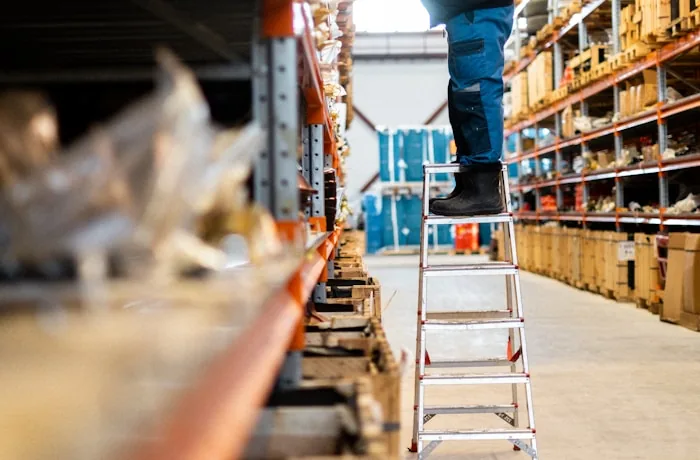
Warehouse worker on a ladder picking inventory from racking

Manual inventory processes contributed to dispatch delays.
02What the Waste Audit Revealed

We spent the first month doing nothing except documenting. Every trip. Every route. Every load. Every return journey. The audit revealed four primary waste categories — none of which appeared in the existing cost reports.

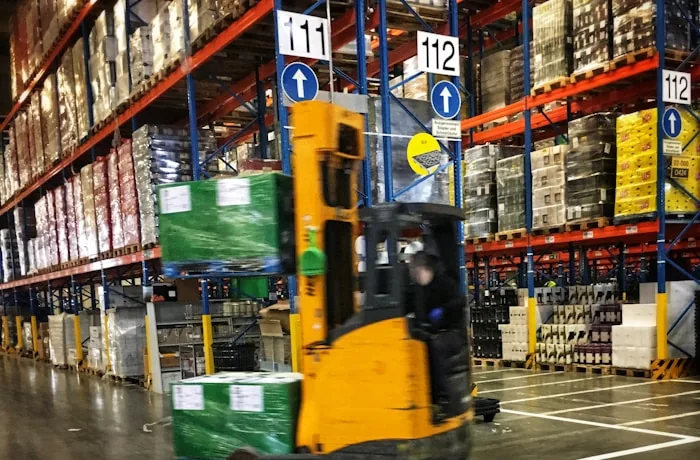
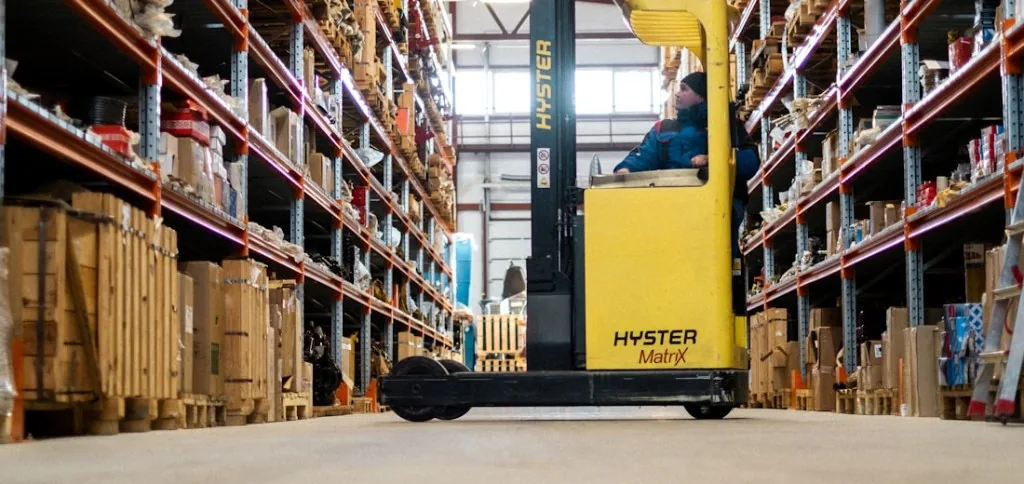
Yellow Hyster reach truck operating in a narrow warehouse aisle

Warehouse operations at the Gurugram facility — photographed during the Month 1 audit phase

Waste audit results — Month 1

Waste category% of trips affectedAnnual costRoot cause
Empty return legs28%₹58.8LNo backhaul strategy
Under-loaded dispatch (< 80% fill)22%₹46.2LImmediate dispatch culture
Suboptimal route sequencing15%₹31.5LManual planning, no VRP tool
Transporter rate inconsistency35% cost premium₹65.1LNo standardised rate card
Total recoverable waste₹201.6L

03The Interventions — Month by Month

Five-month intervention sequence

  1. 01

    Month 2: Transporter rate standardisation

    Renegotiated all transporter contracts using lane-level benchmarking data. Single standardised rate per lane per vehicle type. Annual volume commitment in exchange for a 12% rate reduction.

  2. 02

    Month 3: Load factor discipline

    Implemented an 80% load factor minimum rule — no dispatch below threshold except for time-critical orders. Required resetting expectations with the sales team who were used to promising immediate dispatch.

  3. 03

    Month 4: Route sequencing optimisation

    Deployed a basic VRP solver for daily delivery planning. Not AI — a simple algorithm that clusters deliveries geographically. Eliminated 15% of total kilometres within the first week.

  4. 04

    Month 5: Backhaul partnerships

    Identified three companies in adjacent sectors with outbound volumes on our return lanes. Informal backhaul agreement: they pay 60% of the lane rate to fill our return trucks.

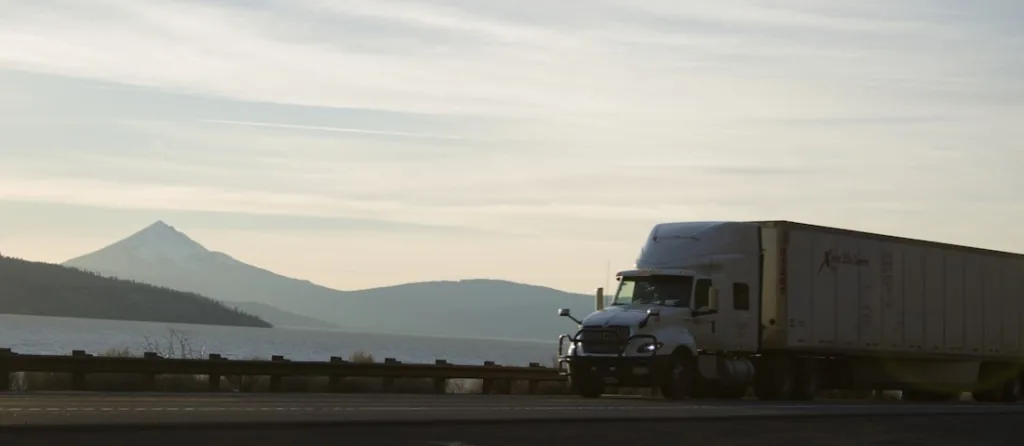
White semi-truck driving along a highway past water and mountains
Route optimisation reduced total kilometres driven by 15% — the equivalent of removing one full delivery run per week

04Results at 5 Months

₹4.1Cr

Annual logistics spend (from ₹6.2Cr)

Post-intervention run rate

34%

Total cost reduction

In 5 months, no new technology

₹2.1Cr

Annual saving to bottom line

Recurring, not one-time

What was and was not required to achieve this

  • New ERP or TMS software
  • Additional headcount
  • GPS / telematics hardware
  • A rigorous 30-day waste audit
  • Renegotiated transporter contracts
  • A load factor policy enforced by ops leadership
  • A basic open-source VRP routing tool
  • Two conversations with potential backhaul partners
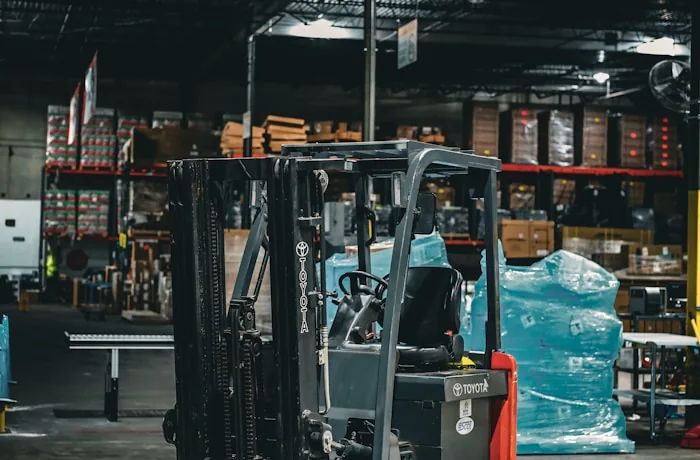
Forklift beside blue-wrapped pallets in an organised warehouse dispatch area

Post-intervention: organised dispatch bays reduced loading time per truck by 18 minutes

White Scania semi-truck on a highway under a clear blue sky

Backhaul partnerships filled 64% of previously empty return trips by Month 6

The most expensive thing in this project was our time. Every rupee of saving came from better process discipline and one negotiation conversation — not from technology.

DN

Deepak Nair

Operations Partner, InvesQ Tech Solutions

Helping enterprise teams navigate technology decisions with clarity. Writing about what actually works — from the ground up.

Ready for a Brand That Matches the Business Behind It?

Schedule a technical consultation with InvesQ leads to evaluate your project, discuss scoping, and chart a clear path to execution.

Book a Consultation