31%
of organizations report no change in costs despite investment in AI and automation.
The problem isn't the tech – it's the messy reality of legacy systems, undocumented workflows, and pilots that never scale.
AI hype promises magic. Reality is messier. We build automation that handles repetitive work while keeping humans in the loop, audit trails visible, and risk contained. Not 'replace everyone with AI.' Just 'stop wasting time on things a machine should do.'
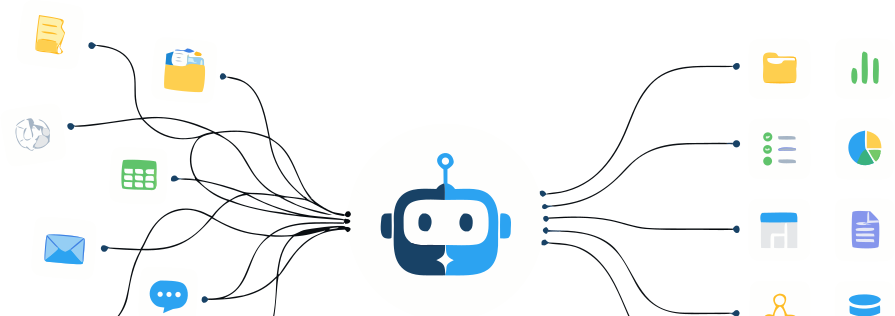
This is every business trying AI automation right now – drowning in legacy systems, undocumented processes, and pilots that never scale.
31%
The problem isn't the tech – it's the messy reality of legacy systems, undocumented workflows, and pilots that never scale.
Inconsistent, siloed, and hard to trust.
Old tech that blocks modern automation.
Small wins that stay small forever.
Automating inefficiency, not improvement.
If your underlying process is broken, AI makes it faster and more broken. Automating a bad workflow at scale just scales the damage. Before we build anything, we audit.
AI automation requires ongoing monitoring. Models drift. Data quality shifts. Compliance rules change. Systems need nursing, not just installation.
Black-box AI systems that make decisions humans can't audit are legal nightmares. We build governed automation: guardrails, approval flows, audit trails, exception handling.
Focused on your unique needs, our team delivers solutions that blend deep industry knowledge and cutting-edge strategies to ensure lasting growth.
Models that reason, respond, and remember.
Audit the process. Document how it actually works. Map data flows. Identify where humans add value vs. where they're just re-keying data. Clean the data. No automation happens without this.
Build automation on a small set of transactions. Test against real data. Identify edge cases your process documentation missed. Refine rules. Run human + automation side-by-side to compare accuracy.
Gradual rollout. Monitor exception rates. Tune thresholds. Train the team on the new workflow. Not a big-bang launch. Gradual so problems surface while you can still course-correct.
Monitor performance. Retrain models when data distribution shifts. Update rules when policy changes. Answer edge cases that AI flags. This is 15-20% of the original build cost annually, but it's cheaper than losing the automation to decay.
Full timeline: 6-8 months from discovery to full automation running.
Invoice processing — consistent format, high volume, clear rules
Customer inquiry classification — yes/no decisions, thousands per day
Resume screening — pattern matching, high volume
Claims adjudication — if claims follow policy rules
Data extraction from documents — if documents are in a similar format
Complex customer disputes — needs judgment, emotional intelligence
Strategic hiring decisions — judgment call, low volume
Salary negotiations — relationship-heavy, variable
Exception handling — by definition, exceptions break rules
Is this process something a careful human does the same way every time? If yes, automate it. If the answer changes based on context, leave it to humans or build a human-in-the-loop workflow.
ROI TIMELINE
Quick-win automations like status notifications deliver measurable time savings within days. Complex AI-driven processes show significant ROI within 2-3 months. Enterprise BPA payback ranges from under 6 months to 18 months for complex implementations.
ROI METRICS
When quantified, full ROI is often 4-10x annually. Invoice processing: $50k annual cost, 4 months payback, $150k+ savings year 1. Customer service: 3 FTE cost, 3 months to train, 2 FTE freed year 1. Not guaranteed - depends on process quality and realistic scope.
RISK FACTORS
Cost savings that disappear because the process was poorly chosen. Automation that needs constant human oversight. Security issues creating liability. Compliance violations from unsupervised automation. These happen when automation is treated as 'set and forget.'
We turn messy processes into governed automation with clear controls at every step.
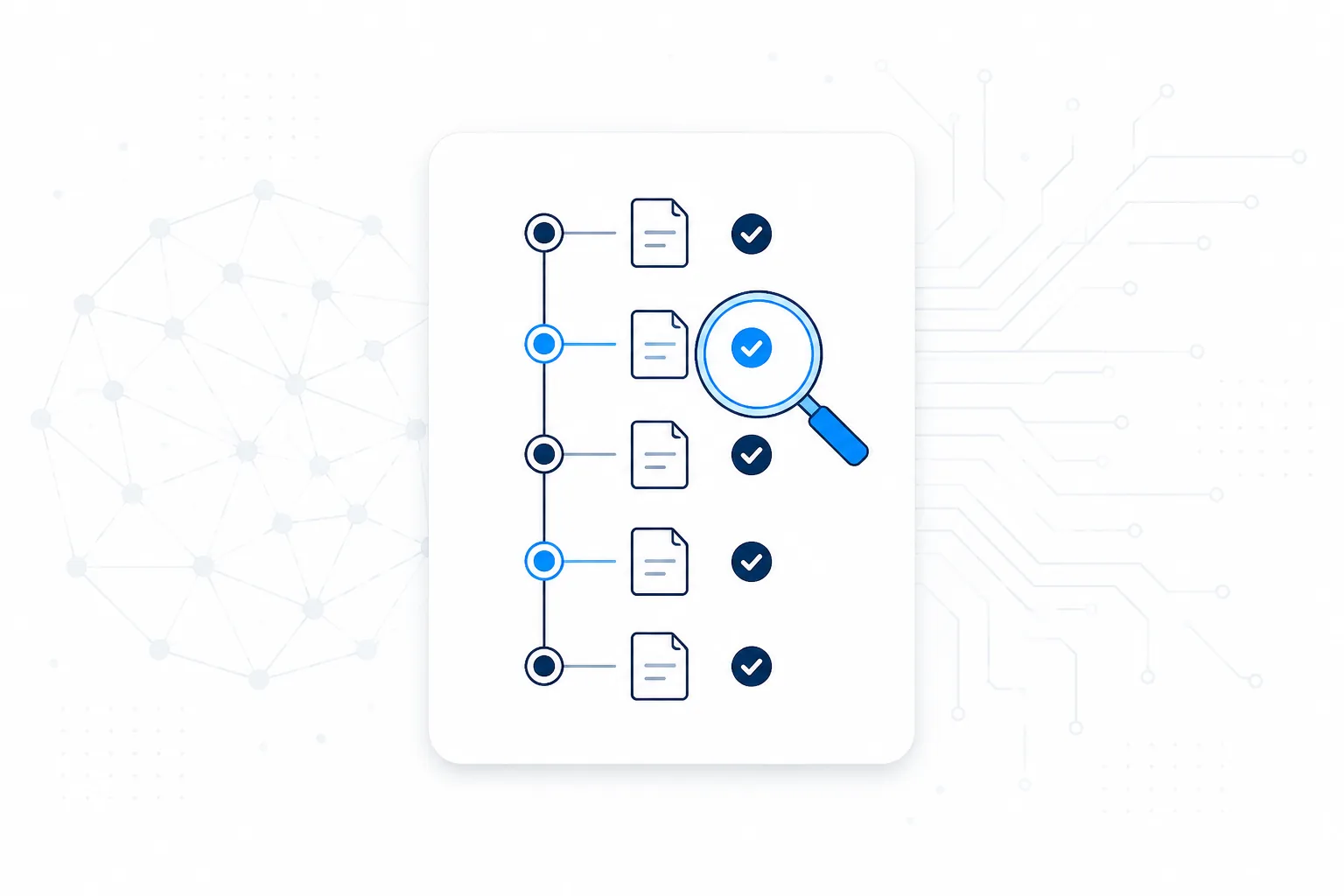 01
01Every decision the automation makes is logged. Who approved what, when, and why. Queryable and court-admissible.
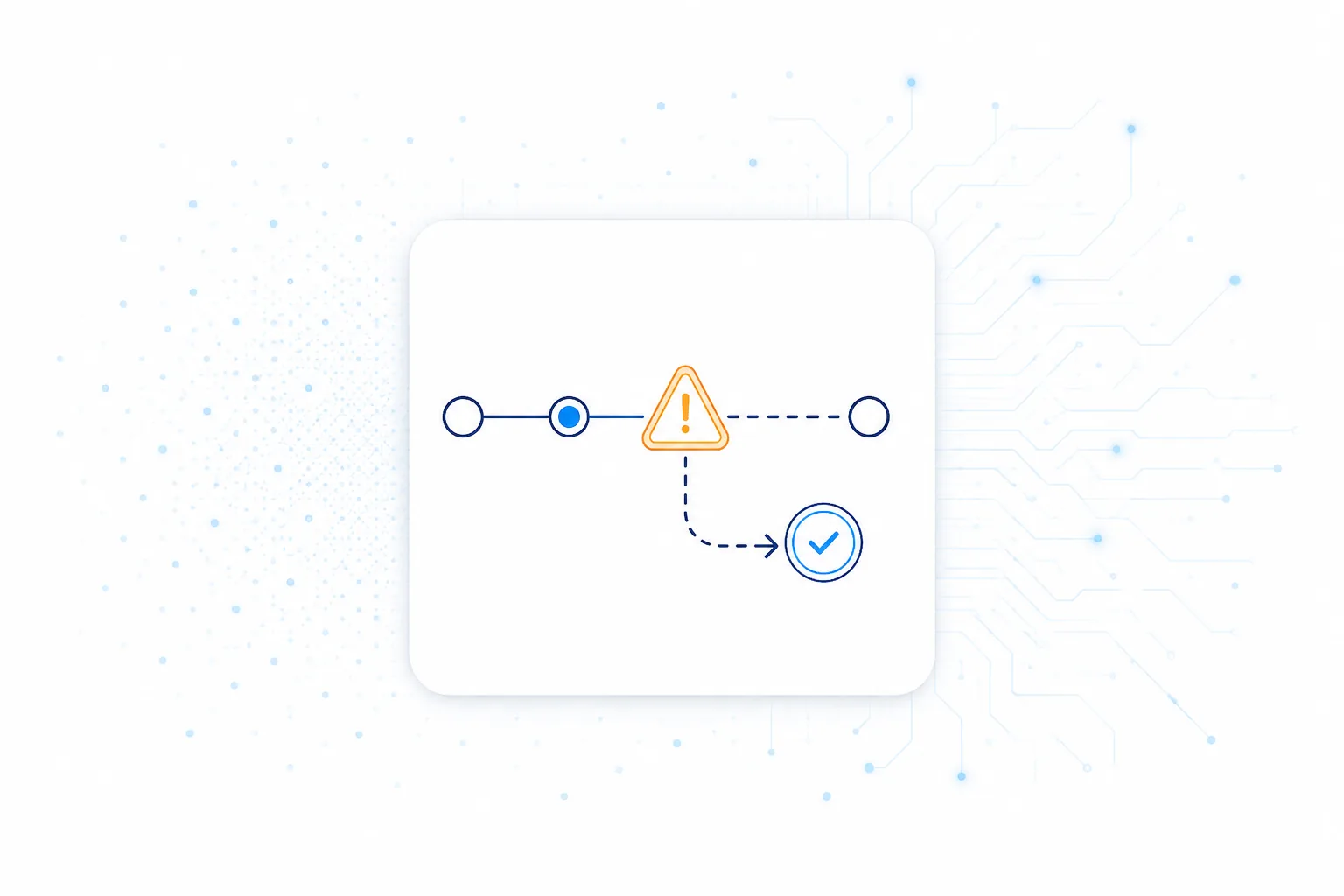 02
02Automation doesn't force decisions. When confidence is low, or policy is unclear, it flags for human review. Humans decide, automation learns.
 03
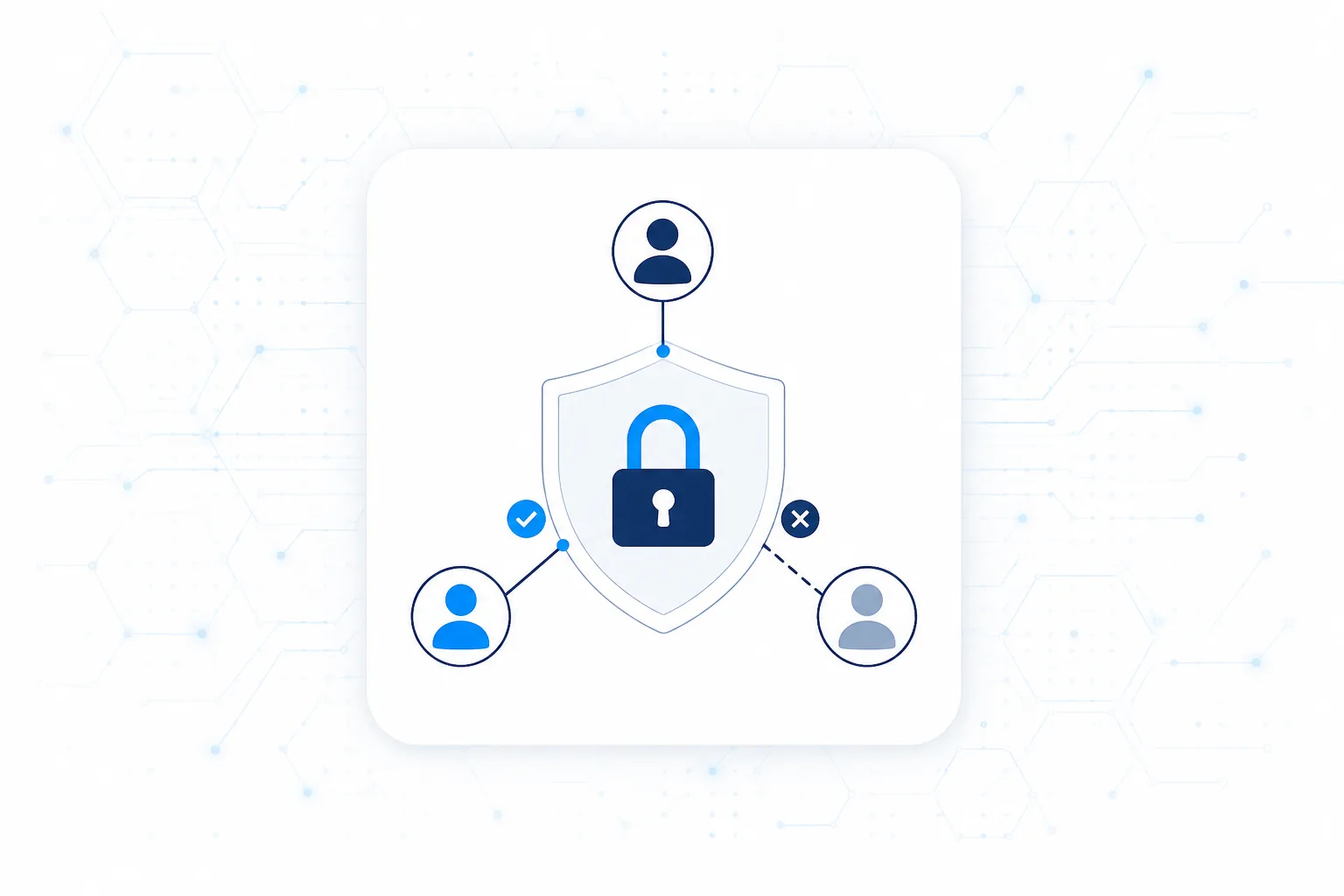
03Automation operates within defined guardrails. Customer service bot can't approve payments. Scheduling bot can't see salary data. Principle of least privilege.
 04
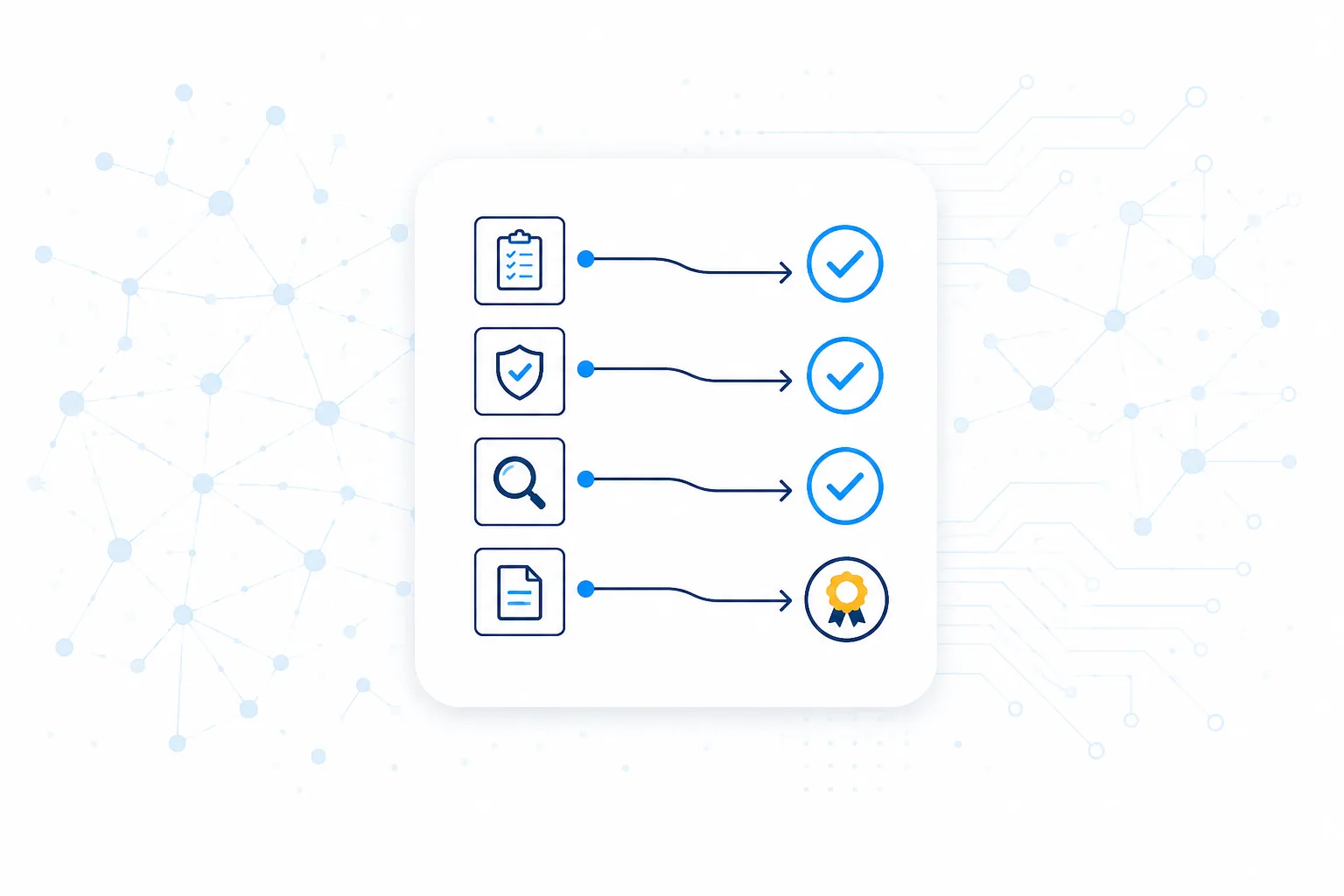
04Built for strict compliance. Aligned with Australian Privacy Principles (APP), GDPR, HIPAA (Healthcare), and SOX (Finance). We ensure your business data and prompts are never used for public AI model training, and data residency stays in your preferred region (AWS/Azure Australia).
 05
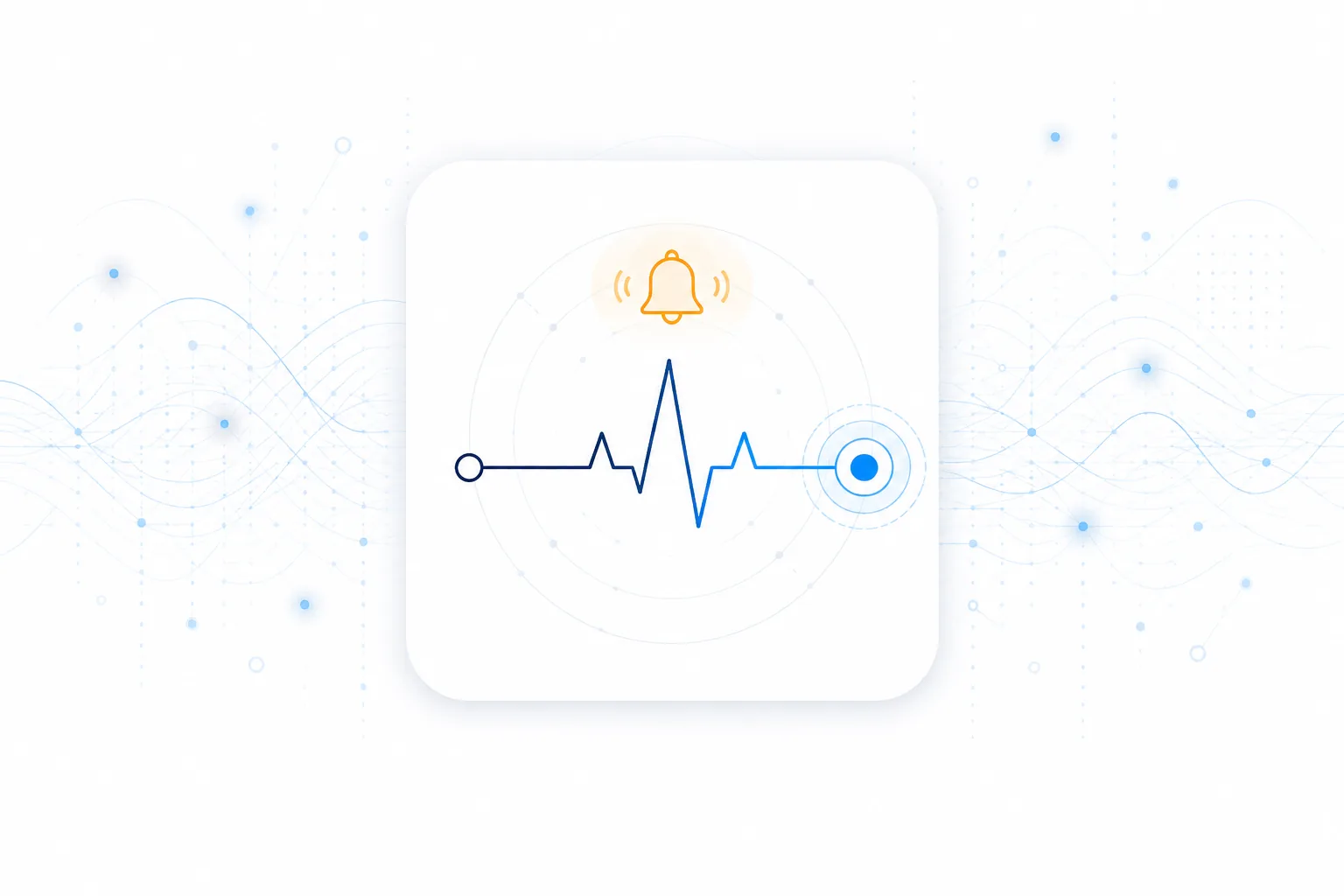
05Error rates spike? Patterns shift? Volume drops? Alarms fire. Human eyes on automation drift before it breaks.
You never documented how the process actually works. You automate your assumptions. AI learns the wrong thing. Automation breaks. Kills trust in the whole project.
Your automation needs data from a 2003 system that has no APIs. Custom integration costs 2x the automation itself. Timeline doubles. ROI pushed out. Budget overruns kill the project.
Automation runs without oversight. Edge cases slip through. Accuracy degrades. Compliance gets violated quietly. Then something big breaks and the whole automation gets shut down.
The team learned to work around the old process for 10 years. Automation disrupts that. Nobody trained. People resist. Adoption stalls. Automation runs in parallel, but nobody switches to it. Costs money, delivers no benefit.
Expecting automation in 4 weeks when the process takes 8 weeks to audit. Rushing builds fragile automation that breaks on edge cases. Better to go slow and get it right.
Start with high-volume, rule-based processes: invoice processing, customer inquiry triage, resume screening. These show ROI fastest and are least risky. Avoid judgment-heavy processes until you have governance and data quality locked down.
Foundation audit: 8-12 weeks. Build: 12-16 weeks. Pilot: 4-8 weeks. Full rollout: 4-8 weeks. Total: 6-8 months realistic. Faster pilots exist but they skip critical steps and fail later.
All data is messy. First step is audit and cleanup. Costs time, but non-negotiable. Cannot skip this.
Yes. Automation handles 80%, humans handle exceptions and judgment calls. Fully autonomous automation without oversight fails compliance or accuracy. Humans aren't removed; they're freed from drudgery to do better work.
4-10x depending on process. Invoice processing: 4-5x. Customer service: 6-8x. Demand forecasting: 3-6x. But only if the process is good, the data is clean, and governance is real. Garbage in, garbage out applies to AI too.
We monitor it. Error rates spike? We investigate. Patterns shift? We retrain. We don't build and disappear. Ongoing support is included.
Partially. AI can flag exceptions for humans to handle. AI can learn from human decisions on exceptions and handle similar ones next time. Full autonomous exception handling requires very mature systems.
Depends. If the legacy system has data we can extract and rules we can model, yes. If it's a black box with no integrations, integration cost might exceed automation cost. We audit this upfront.
One conversation is enough to find which workflows to automate first, and which ones to leave with humans. Let's talk about your process.
Talk to us about your process