Let's ground this in something concrete.
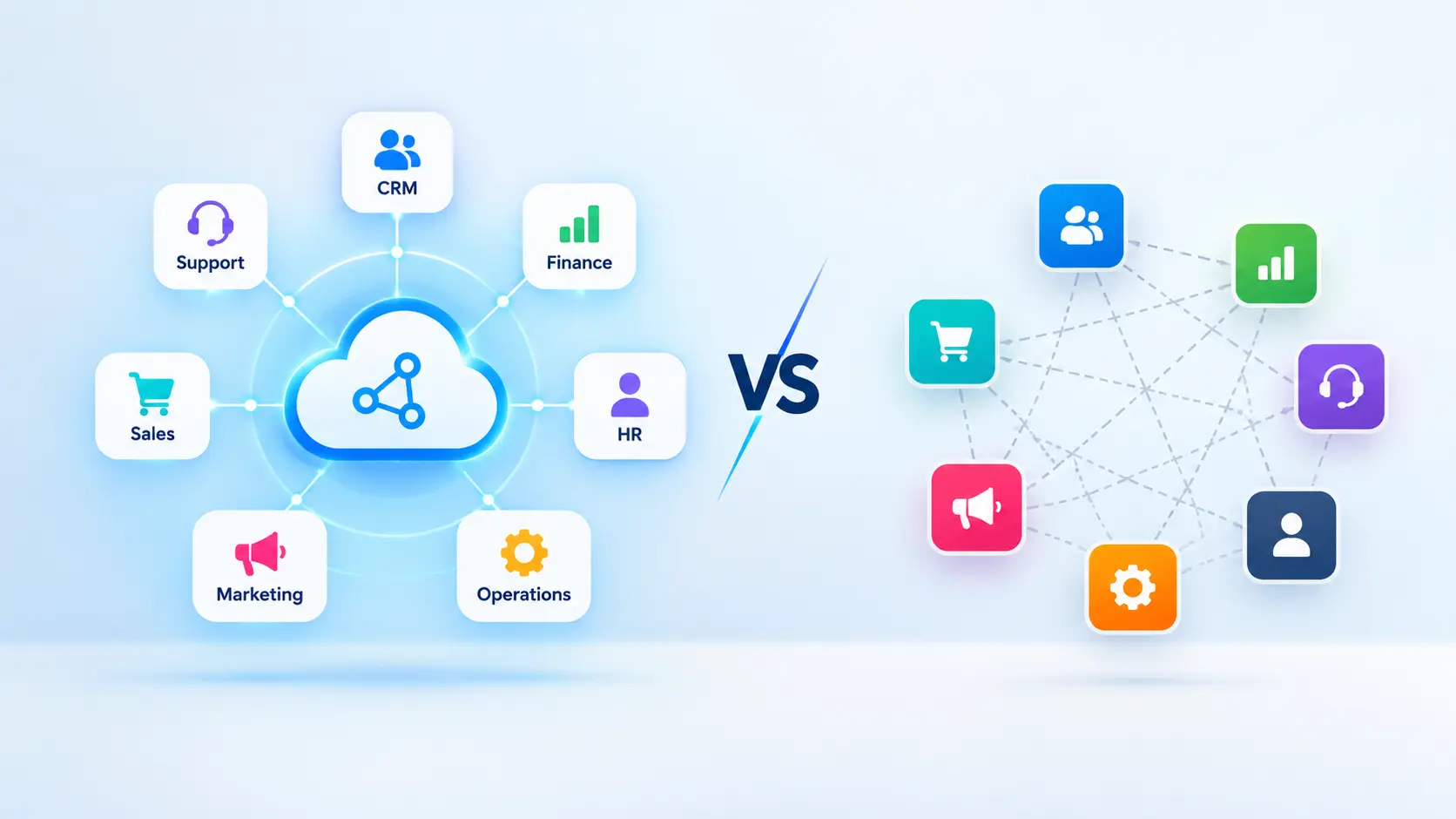
We worked with a logistics company running eight separate systems. Sales used one tool. Operations used another. Finance used another. Dispatch used a fourth. There was no connection between what got sold and what got fulfilled. Reporting was manual. Decisions took weeks because data had to be pulled from eight places and manually reconciled.
They moved to an integrated ERP that included CRM and supply chain capabilities. The change wasn't smooth (nothing big ever is), but within six months, they had real-time visibility across sales, operations, and finance.
Order-to-delivery time dropped 30%. Invoicing errors dropped 85%. They stopped losing revenue to data mismatches. Their finance team went from 40 hours a month on manual reconciliation to nearly zero.
That's not unusual. That's what happens when systems actually talk to each other.
Another example: a fleet management operation using separate systems for vehicle tracking, maintenance, fuel, and finance. Real-time fuel costs weren't flowing into job costing. Maintenance records weren't linking with vehicle performance. Management couldn't see which trucks were actually profitable.
With connected systems, all that data flows automatically. Maintenance costs hit job costing in real time. Fuel efficiency gets tracked against vehicle performance. In six months, they cut operating expenses by 18% just by finally being able to see what was actually happening.
These aren't marketing stories. These are what integration actually delivers.